Verified Cabling Bracing Service Guide
Understand Key Arboriculture Techniques for Maximum Tree Health
Understanding tree care is important for ensuring ecological wellness. Crucial methods including mulching and trimming are extremely important in promoting tree vitality. Furthermore, proper watering techniques are critical for developing strong roots. Yet, many people overlook the symptoms of sick trees and the need for expert assistance. Investigating these factors can foster a greater respect for how to maintain trees. What steps can one take to guarantee their trees thrive?
Recognizing Why Tree Health Matters
Knowing why tree health is crucial is critical, as trees are instrumental in maintaining ecological balance and enhancing urban environments. Healthy trees contribute to air quality, provide shade, and support wildlife habitats. Trees also assist in reducing climate change by capturing carbon, proving their necessity for environmental sustainability.
Within metropolitan areas, properly cared-for trees enhance the appearance, raise the value of homes, and promote community well-being. Their presence can reduce the urban heat effect in cities, leading to lower energy costs.
Failing to care for trees, in contrast, can result in disease, pest infestations, and unstable limbs, creating dangers to the trees and nearby structures alike. Therefore, recognizing the indicators of tree health, like the color of the leaves, its development rate, and the state of the bark, is vital for successful maintenance. In the end, fostering healthy trees benefits not just individual landscapes but the wider ecological system, stressing the importance for proactive care and management practices.
Essential Pruning Techniques
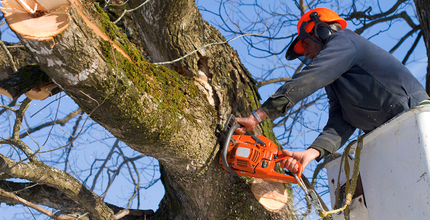
Pruning is an important practice in tree care that ensures optimal development and well-being, as it takes away unhealthy branches and boosts ventilation within the canopy. Applying correct practices guarantees that trees can flourish where they are planted.
An essential practice is "thinning," which means taking off certain branches to improve sunlight exposure and decrease stress on weaker parts. 'Heading back' are another method, where the tips of branches are trimmed to stimulate lateral branching, especially in young trees. In addition, the 'crown reduction' method lowers the overall height of a tree while preserving its inherent form.
Proper timing is crucial; pruning during the dormant season reduces strain and optimizes healing. Tools should be sharp and clean to minimize harm and disease transmission. Knowing these essential trimming methods is crucial for any tree care professional who seeks to keep healthy and visually appealing trees.
Spotting Frequent Tree Illnesses
How can tree owners recognize the symptoms of frequent ailments that threaten their trees? Awareness of specific symptoms is vital for quick spotting and action. Common indicators include leaves that are yellowing or drooping, which may suggest fungal infections or insufficient nourishment. Strange developments, like cankers or galls, may indicate insects are present or pathogens that compromise tree health. Additionally, peeling bark or oozing sap can be a sign of disease that need prompt care.
Owners must also monitor changes in tree structure, including leaf drop or branch dieback, which might indicate a serious problem beneath the surface. Looking out for insect attacks, like frass or bore holes, is equally important. By remaining vigilant and proactive, they can recognize these typical illnesses and seek appropriate remedies, making sure their trees stay strong and lively throughout the seasons.
Mulching's Importance for Tree Health
Mulching is a key technique in tree care, giving various benefits that promote healthy growth and durability. It means spreading a layer of specific material types surrounding the trunk, helping to keep the soil damp, suppress weeds, and regulate soil temperature. The mulch covering doesn't just limit rivalry from unwanted vegetation but also enhances the aesthetic appeal of the landscape.
Moreover, materials like wood chips, for example, bark or chips, gradually decompose, providing essential nourishment and improving its structure. This natural breakdown aids in root growth and promotes a better habitat for the growing tree. In addition, mulching can prevent the erosion of soil, thereby stabilizing of the tree’s foundation. Appropriately spread mulch must be distributed in a circular pattern, avoiding direct contact with the trunk to stop decay. Overall, integrating mulch application into tree care routines greatly supports to the lasting vitality of trees.
Optimal Watering Methods for Trees
Good tree maintenance demands not only mulching but also correct hydration methods to promote the best growth and health. Tree specimens, specifically new plantings, need consistent moisture to develop robust root structures. It is vital to water deeply, as it encourages roots to grow downwards where moisture is more consistent. Ideally, trees need roughly one inch of water per week, be it from precipitation or extra irrigation.
Watering should be done early in the morning to reduce evaporation and disease caused by fungi. It is important to avoid overwatering, which may result in root rot and further problems. Check the ground for moisture before watering; should the top two inches be arid, it’s time to water. Furthermore, employing a soaker hose or drip irrigation offers a slow, constant flow of water, making sure trees get enough water without the danger of water runoff. Correct watering methods are essential contributors to the overall health of trees.
Engaging Expert Arborists: When and Why
When considering the health and aesthetics of a property, hiring professional tree services may prove essential for homeowners who need intricate tree upkeep. Professional arborists possess the expertise to assess tree health, spot illnesses, and execute beneficial procedures. They also understand local regulations for removing trees and maintenance, making sure they comply and avoiding potential fines
(Stillwater see now Tree Service)Homeowners should consider hiring professionals when dealing with mature trees, specifically trees near homes or power lines, as incorrect care can lead to dangers. Additionally, trees requiring pruning for aesthetic or health reasons benefit from the skills of trained specialists who can execute precise cuts to encourage development
Periodic maintenance, such as pre-storm readiness and debris cleanup, need professional assistance to ensure site security and appearance. Ultimately, hiring certified arborists makes certain trees get the best attention, which benefits greatly the entire outdoor space and home valuation
FAQs
What Are the Signs if My Tree Is Receiving Too Much Water?
Signs of overwatering in trees include foliage turning yellow, drooping even when the ground is wet, root rot, and excessive leaf drop. In addition, the appearance of mushrooms around the base often suggests inadequate water runoff and excess moisture.
When Should I Schedule for Tree Pruning?
The optimal period to prune trees is usually between late winter and the start of spring prior to bud break - Stillwater Tree Service. Pruning at this time encourages robust regeneration and lessens the impact on the plant, facilitating quick recovery and maturation
Is It Possible for Trees to Survive Major Storm Damage?

Absolutely, trees are capable of recovering from major storm damage. Given the right attention, such as pruning damaged limbs and supplying necessary moisture and food, most trees will recover their vitality and keep growing strong following a stressful event.
How Do I Choose the Right Mulch for My Trees?
When selecting appropriate mulch, look for natural materials for example, bark nuggets or wood shavings, ensure a layer 2 to 4 inches deep, and never stack mulch against the base to minimize fungal issues.
Are There Specific Trees That Require More Care Than Others?
Certain trees, for instance, new plantings and orchard trees, need extra maintenance because they react strongly to environmental shifts and specific nutrient needs. Consistent observation and customized care routines are crucial for their well-being and development.